Statement of Intent
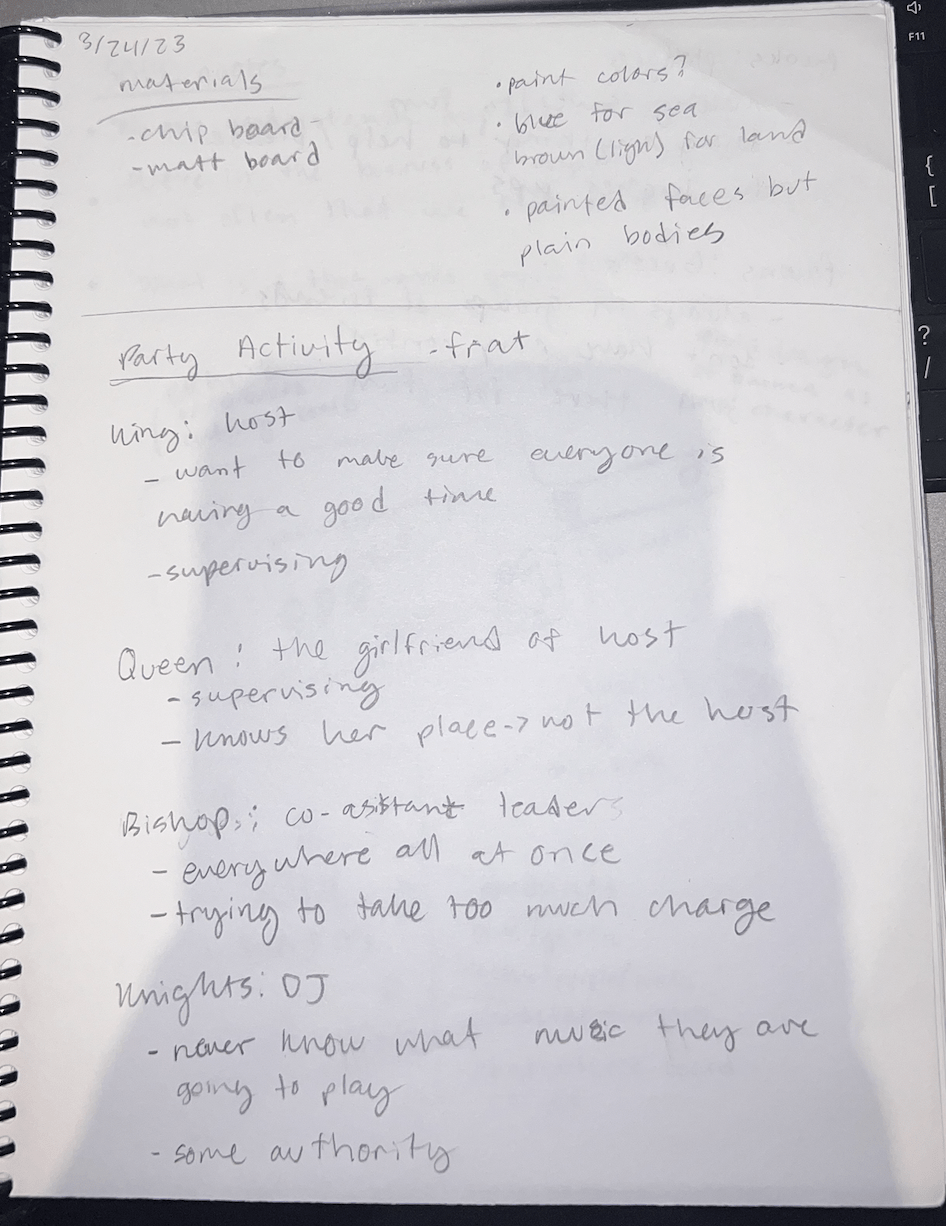
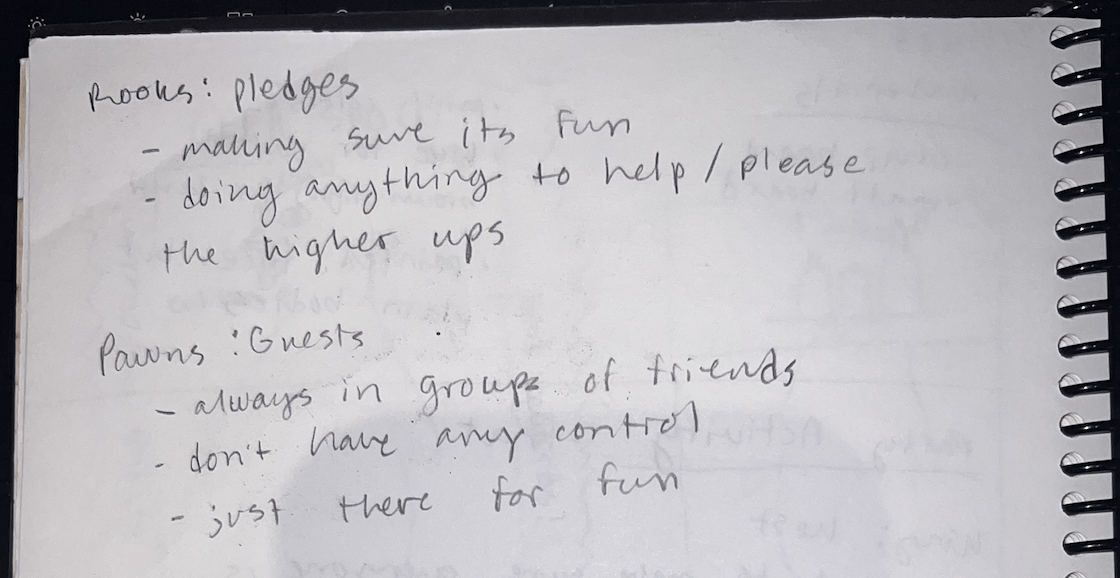
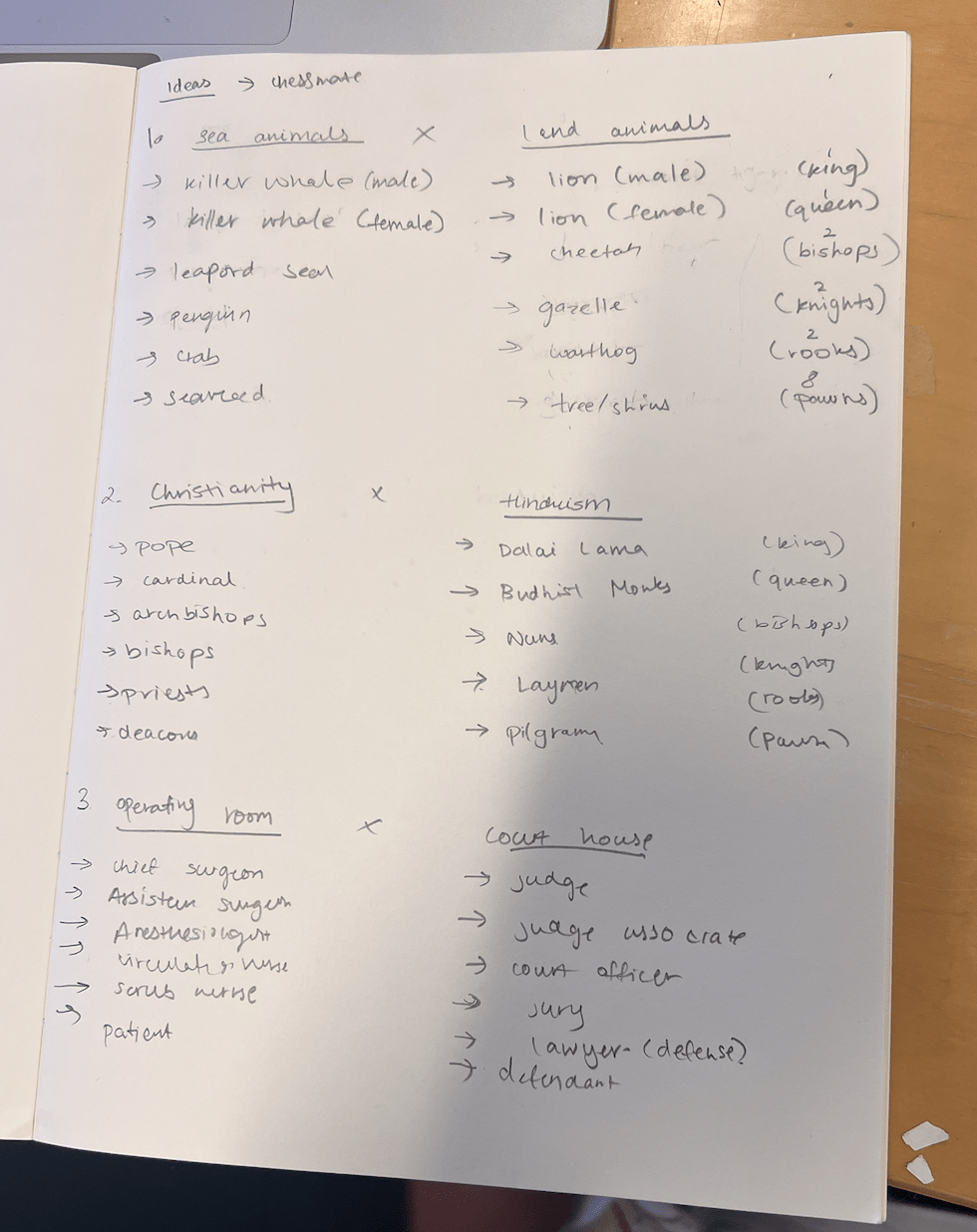
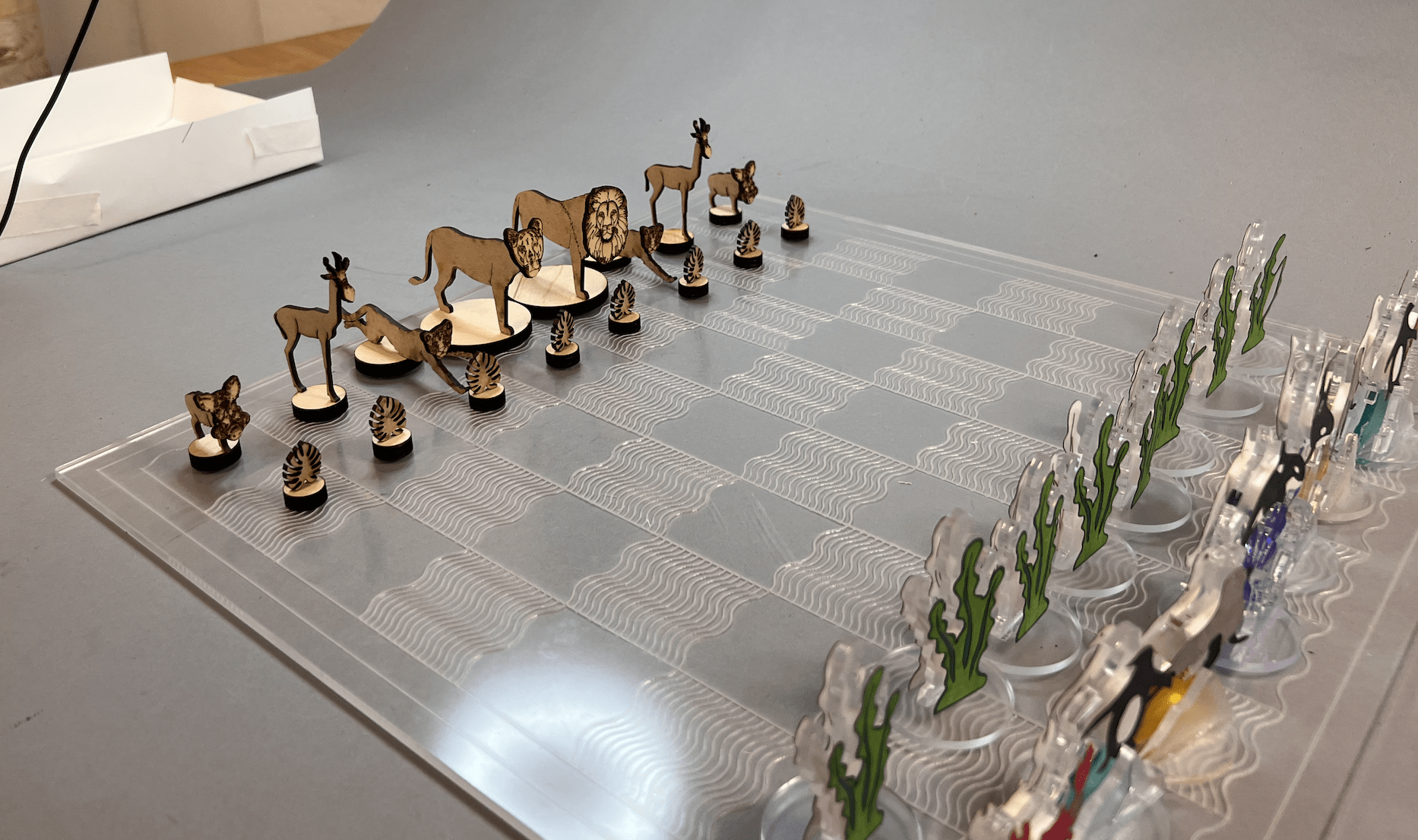
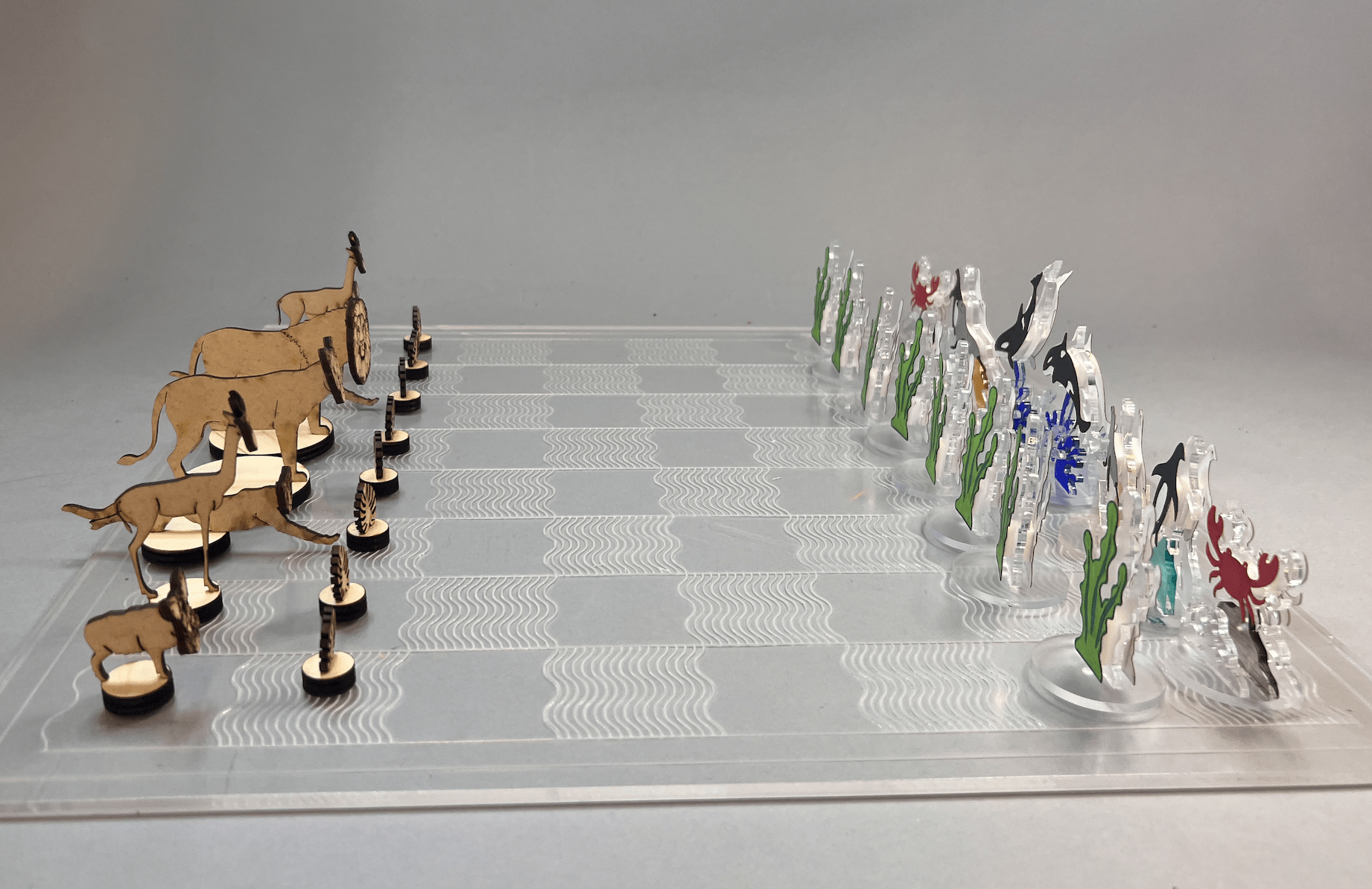
Chess is one of the oldest board games in the world, and animals are one of the oldest creatures known to Earth. The competition stimulates a war between two kingdoms, in this case, land animals versus sea animals. Me and my partners based the positions of the animals on the food chain line. This allows the viewers to easily understand which role each animal has. My goal is for the viewer to understand the differences in not only the roles of each side but also the intentions behind the design choices.
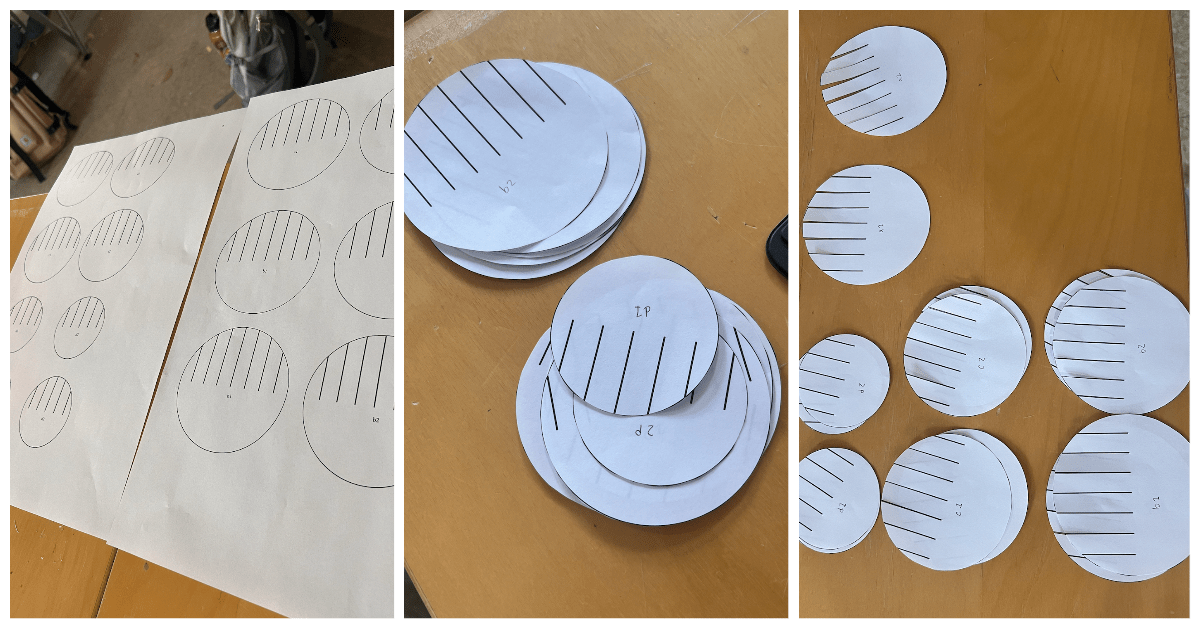
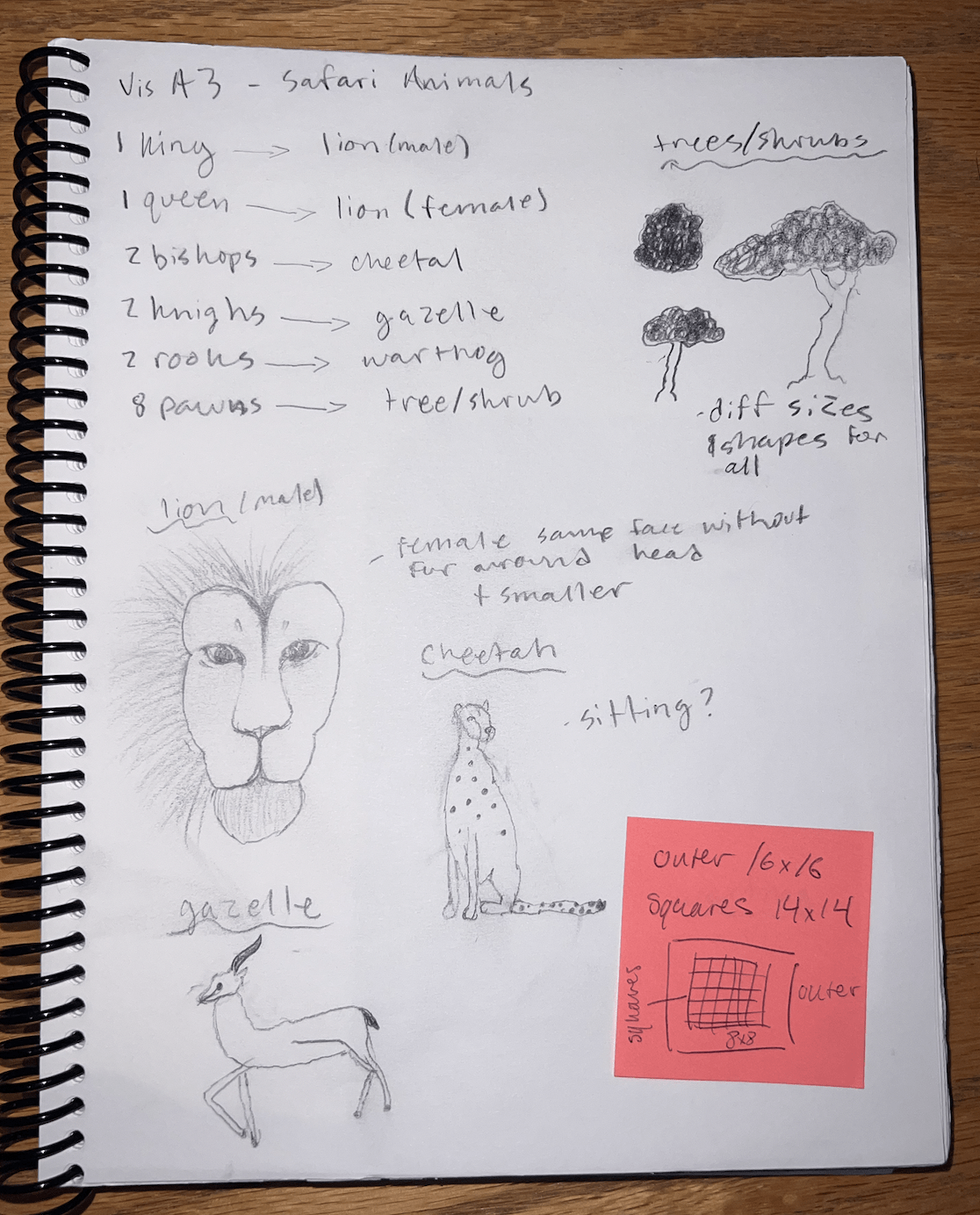
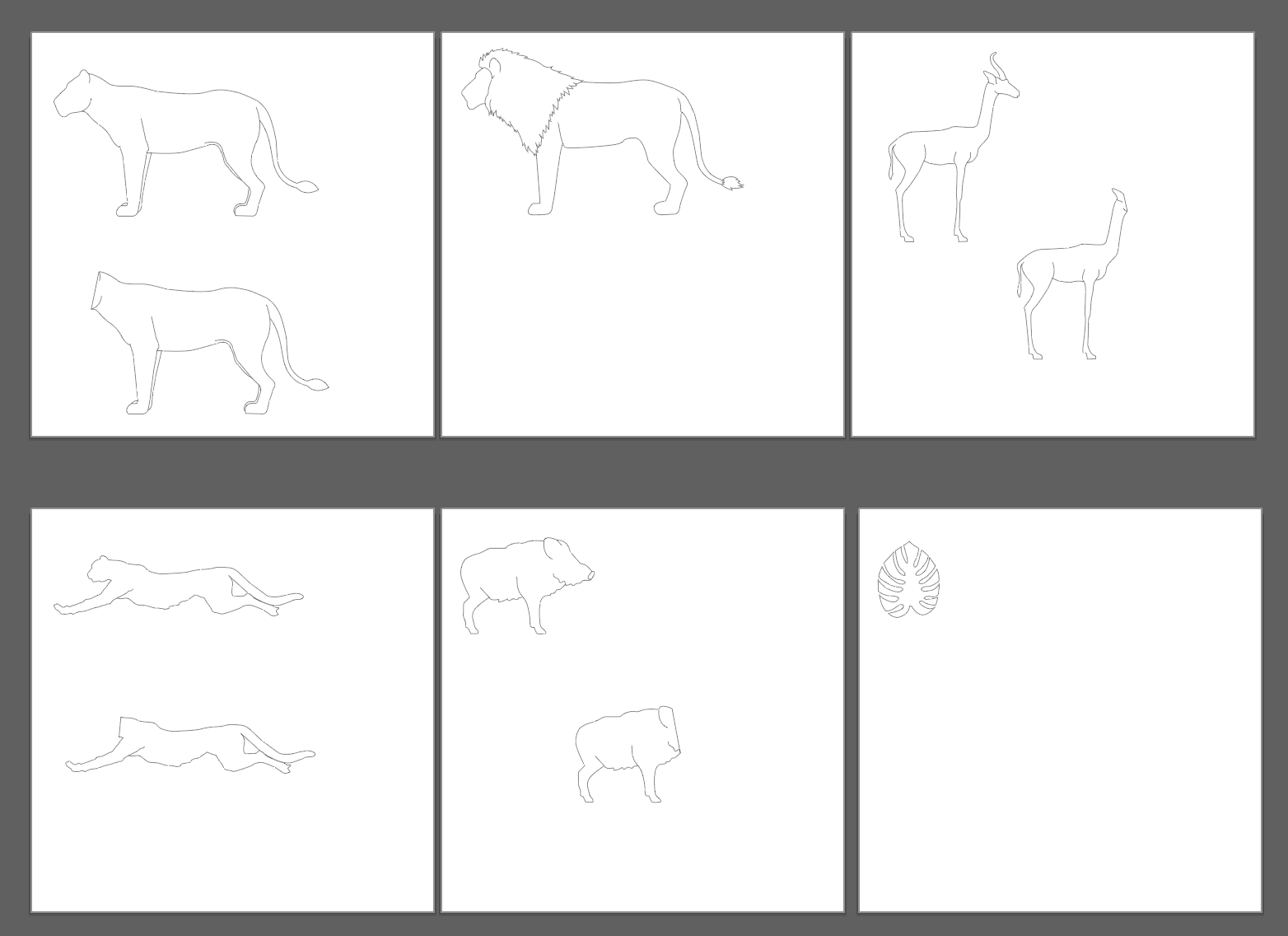
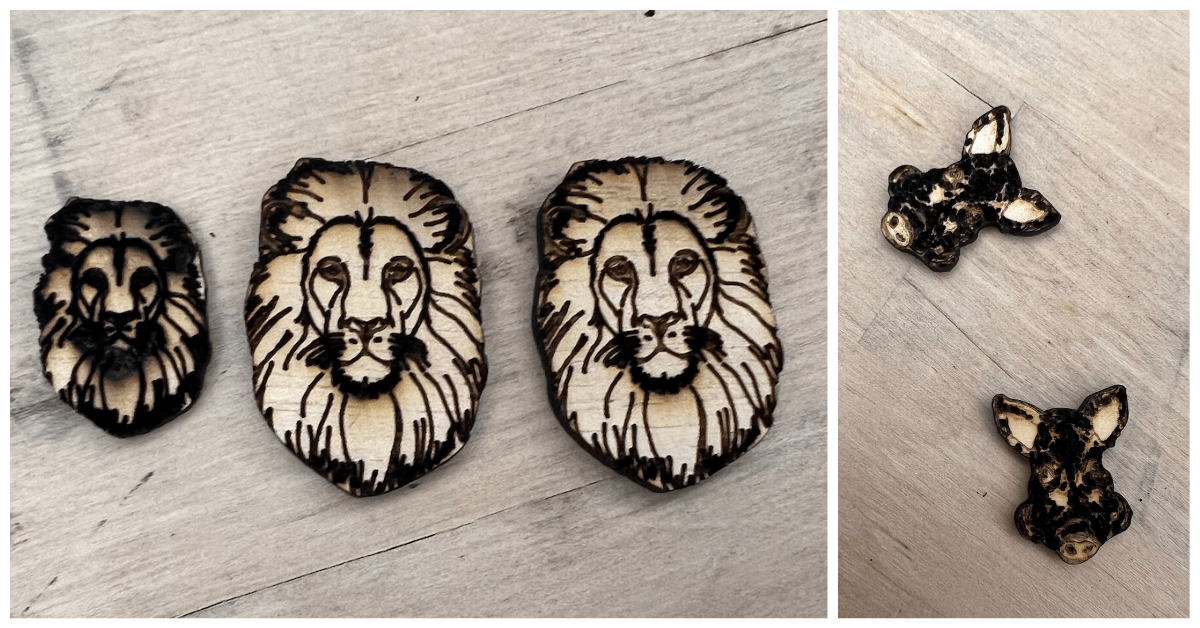
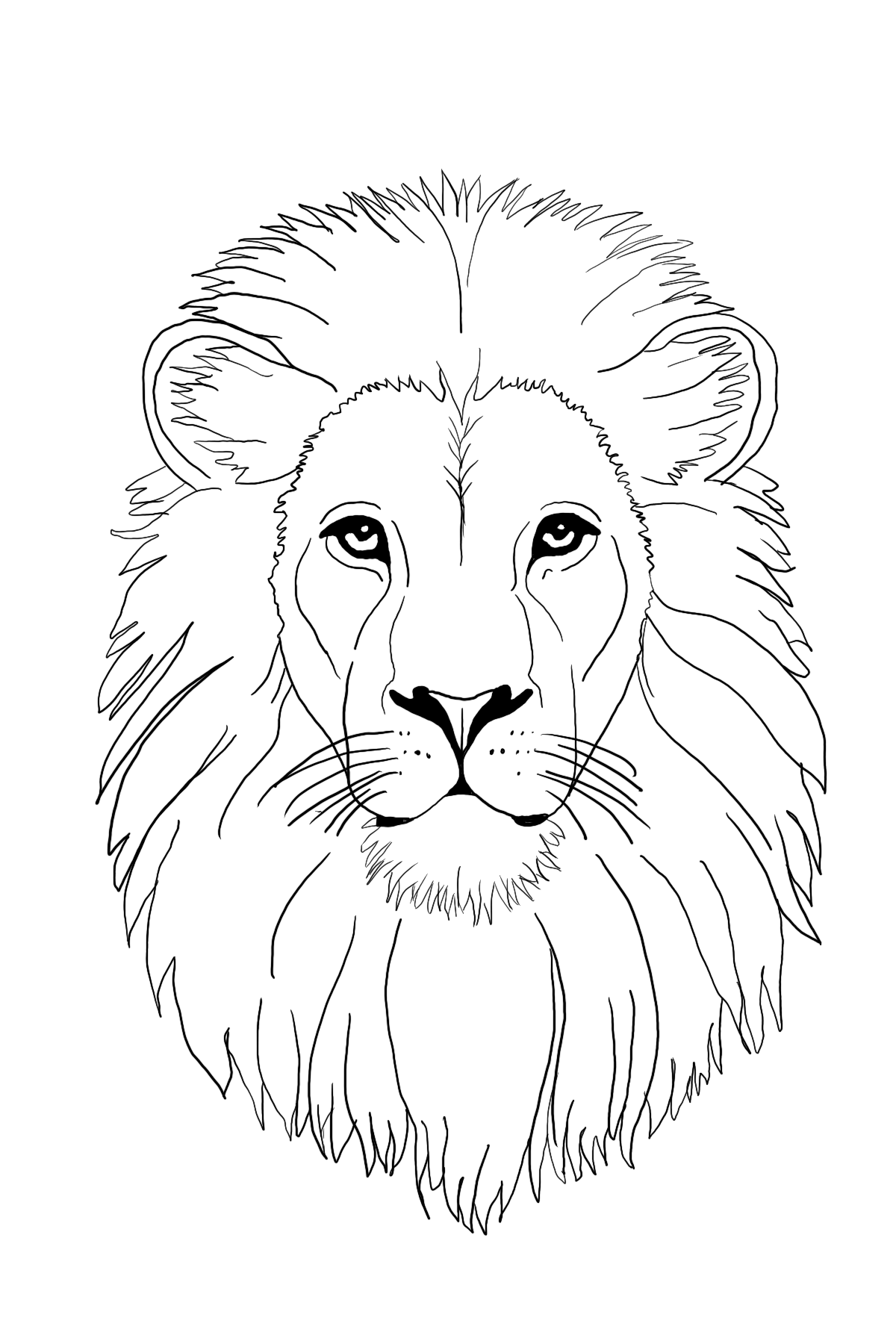
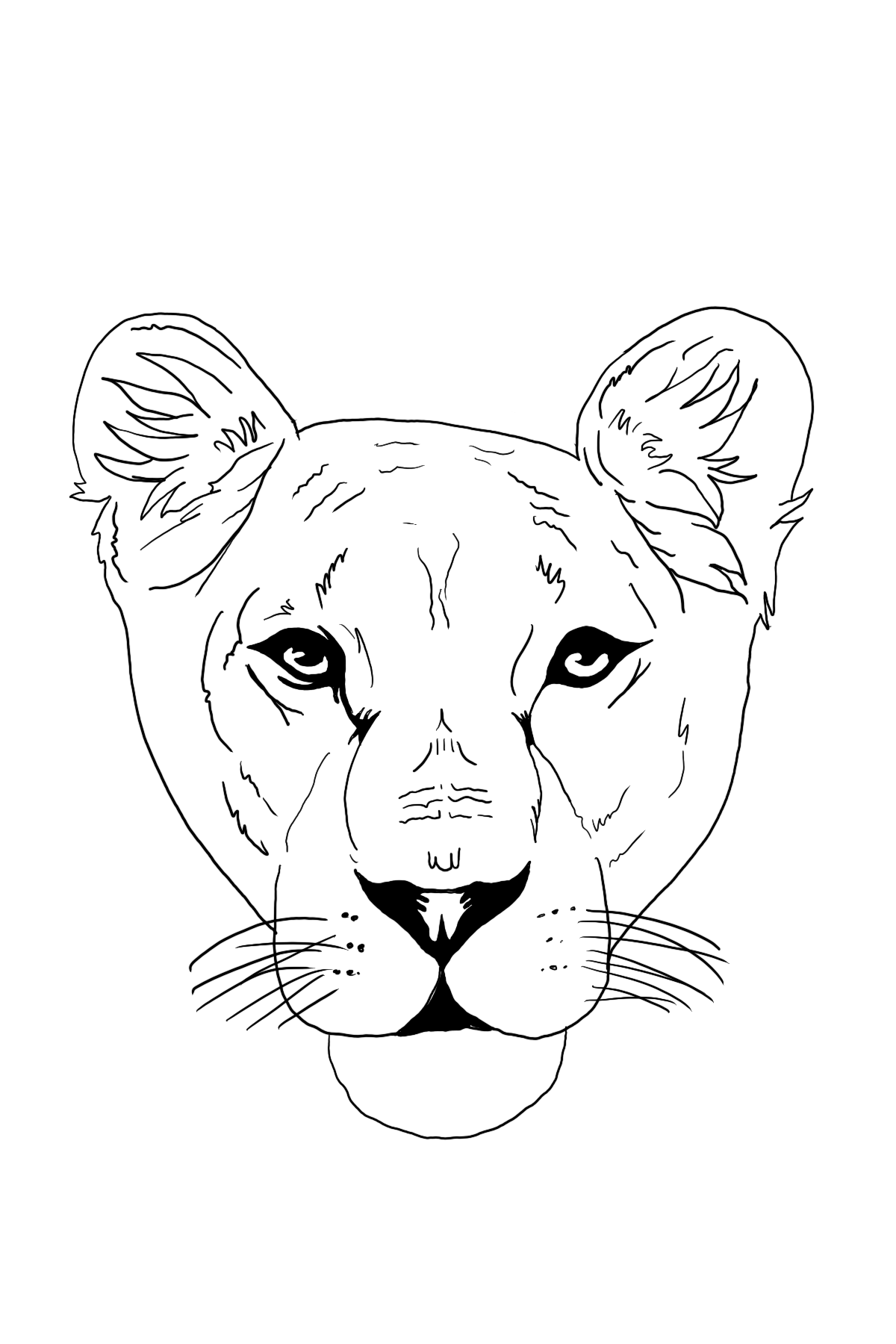
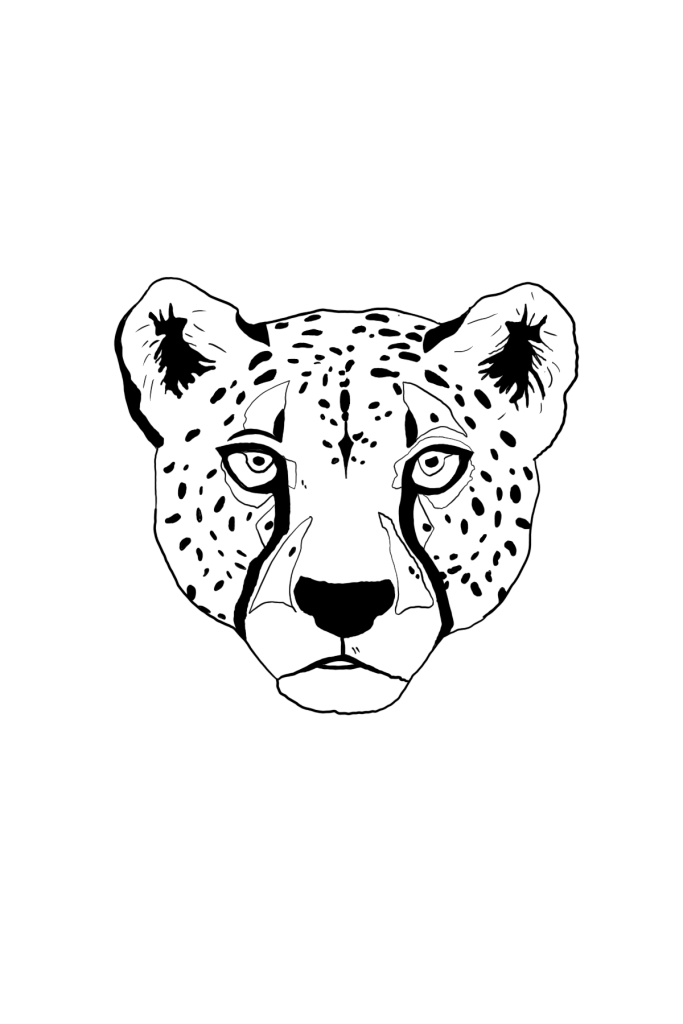
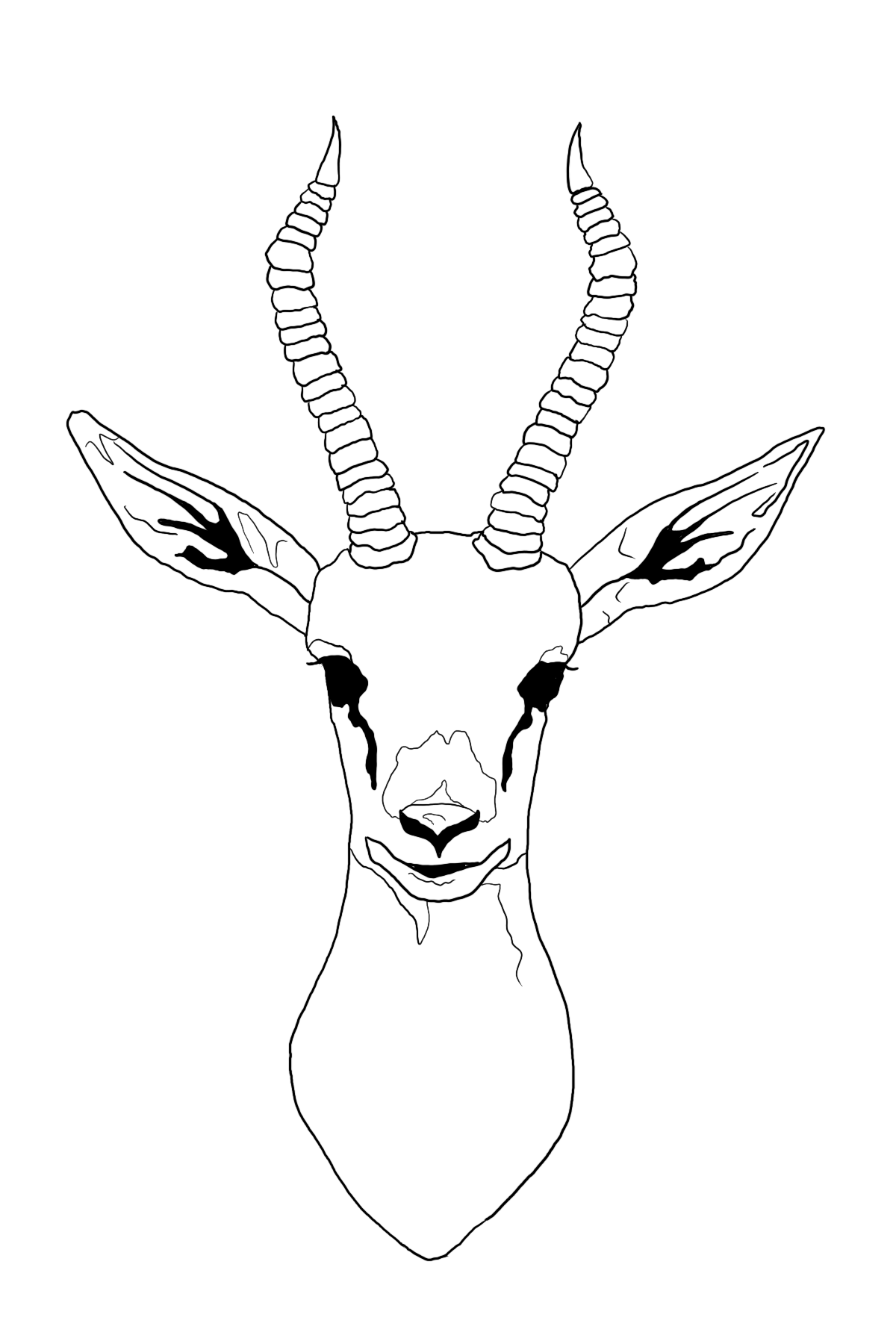
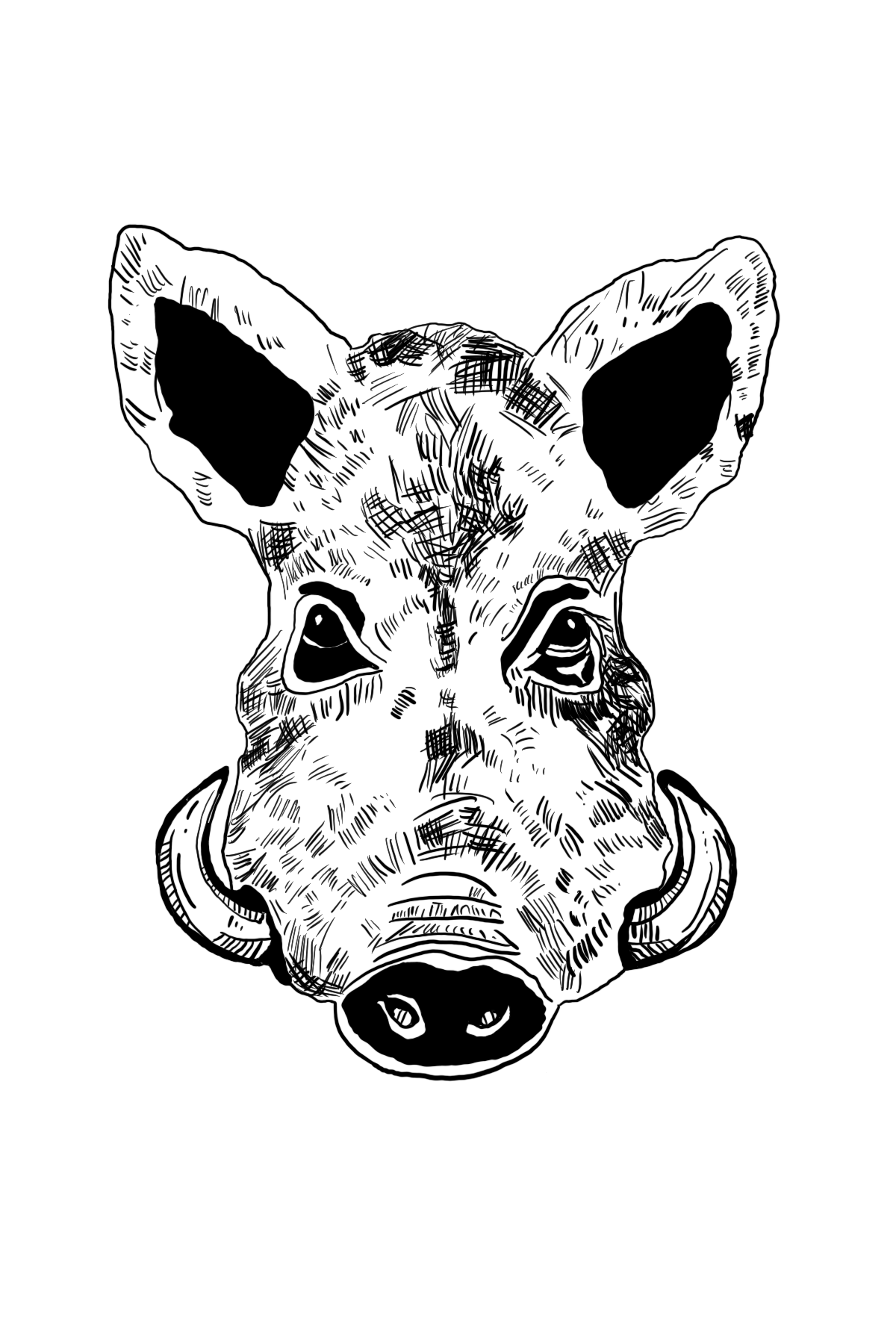
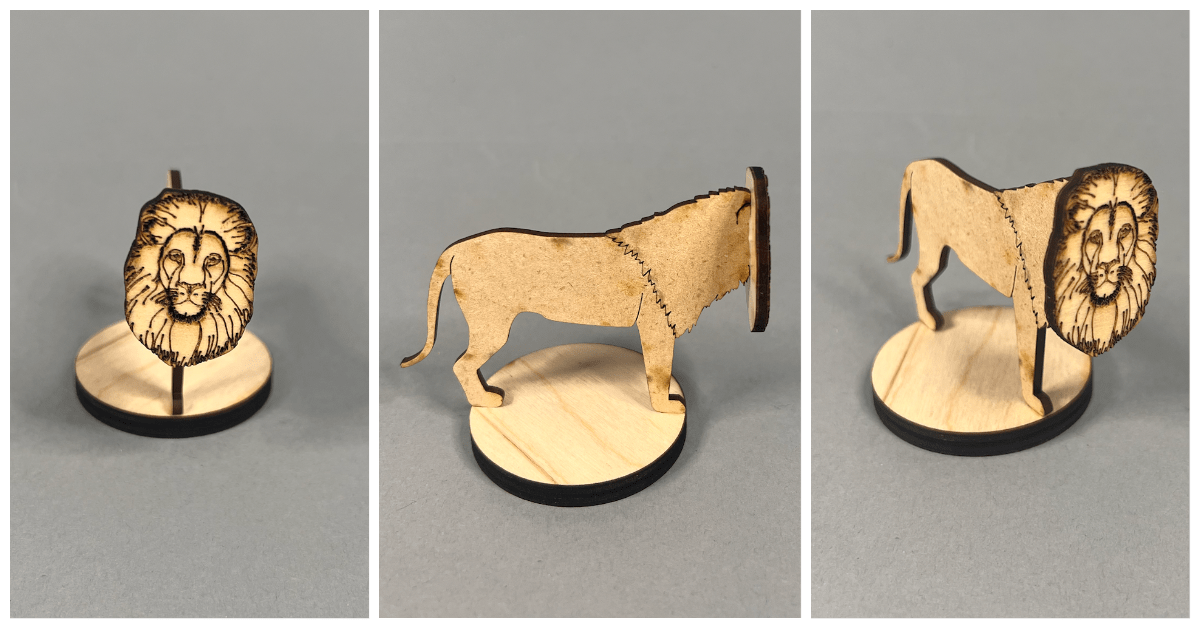
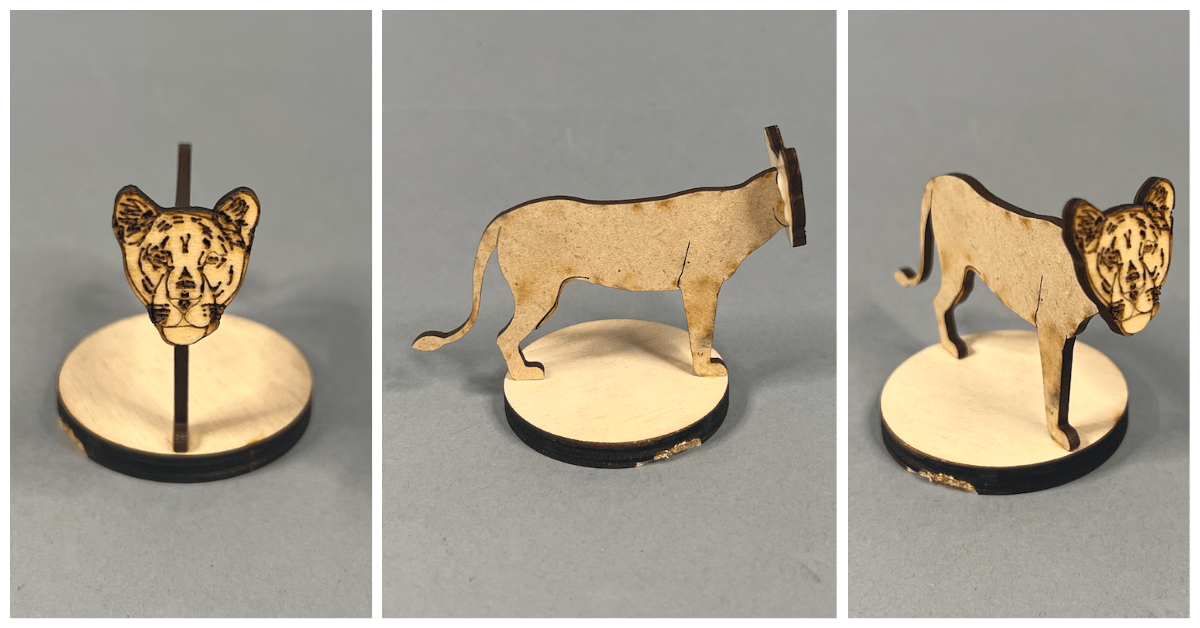
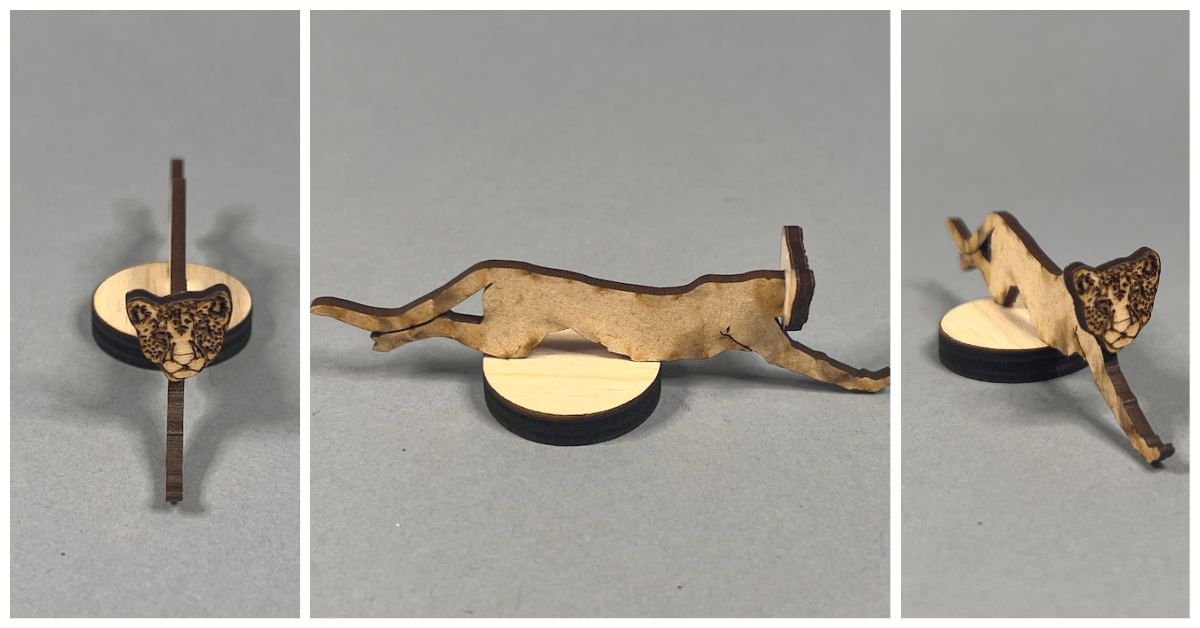
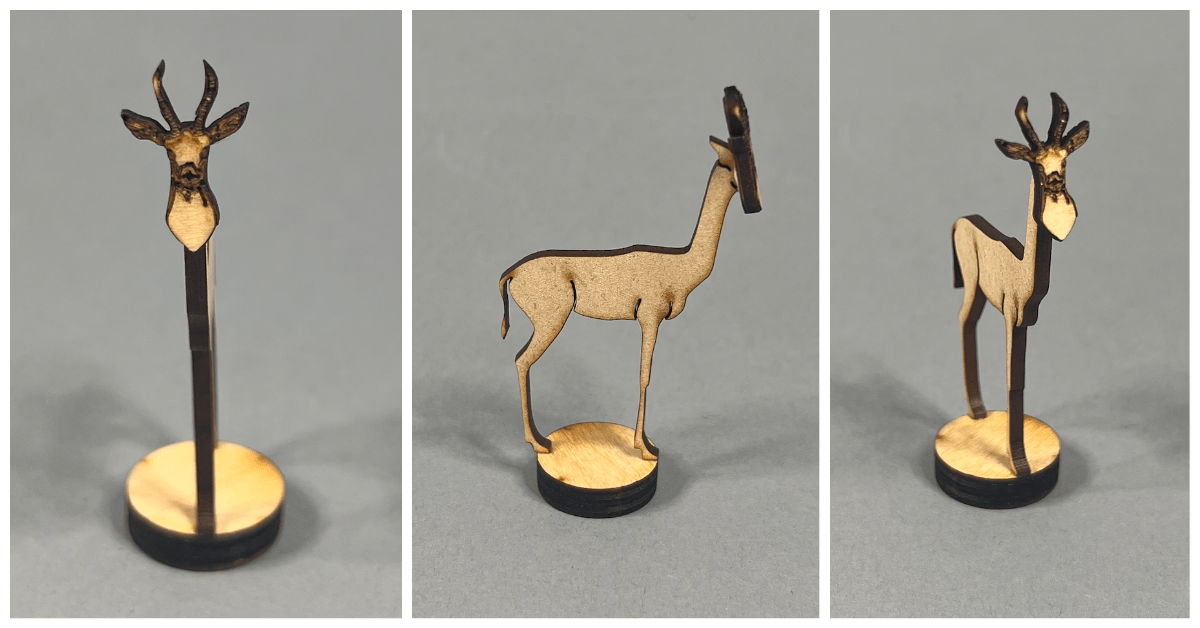
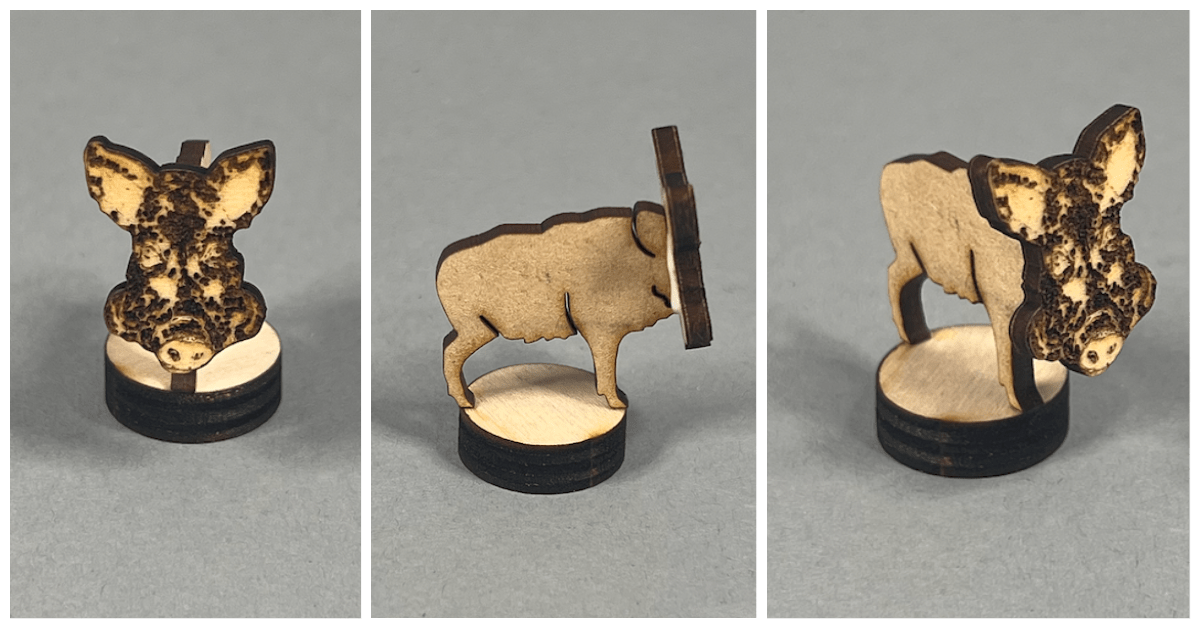
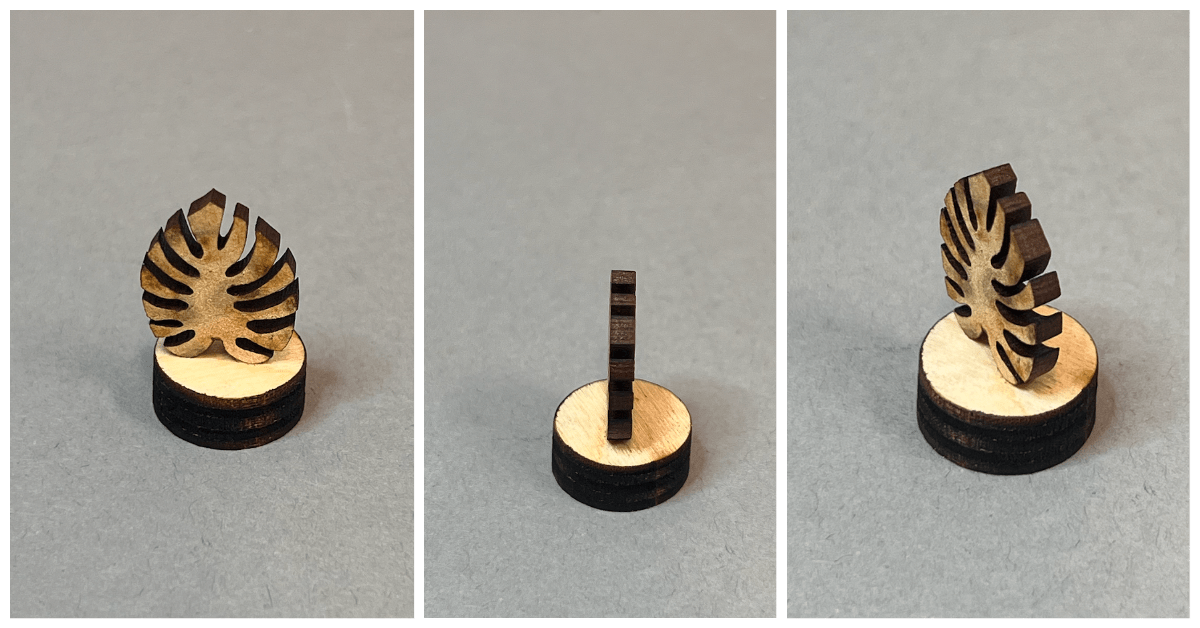
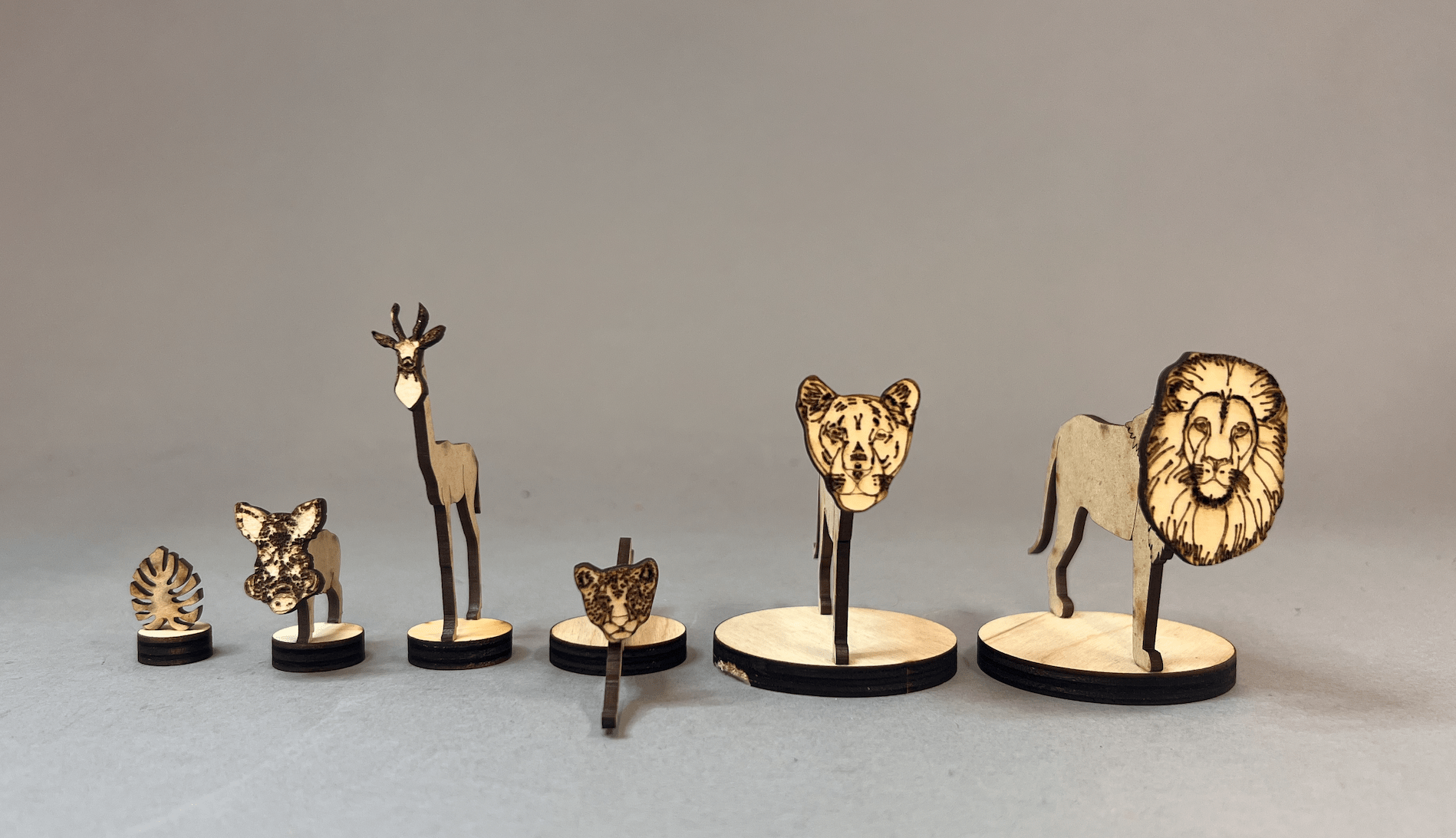
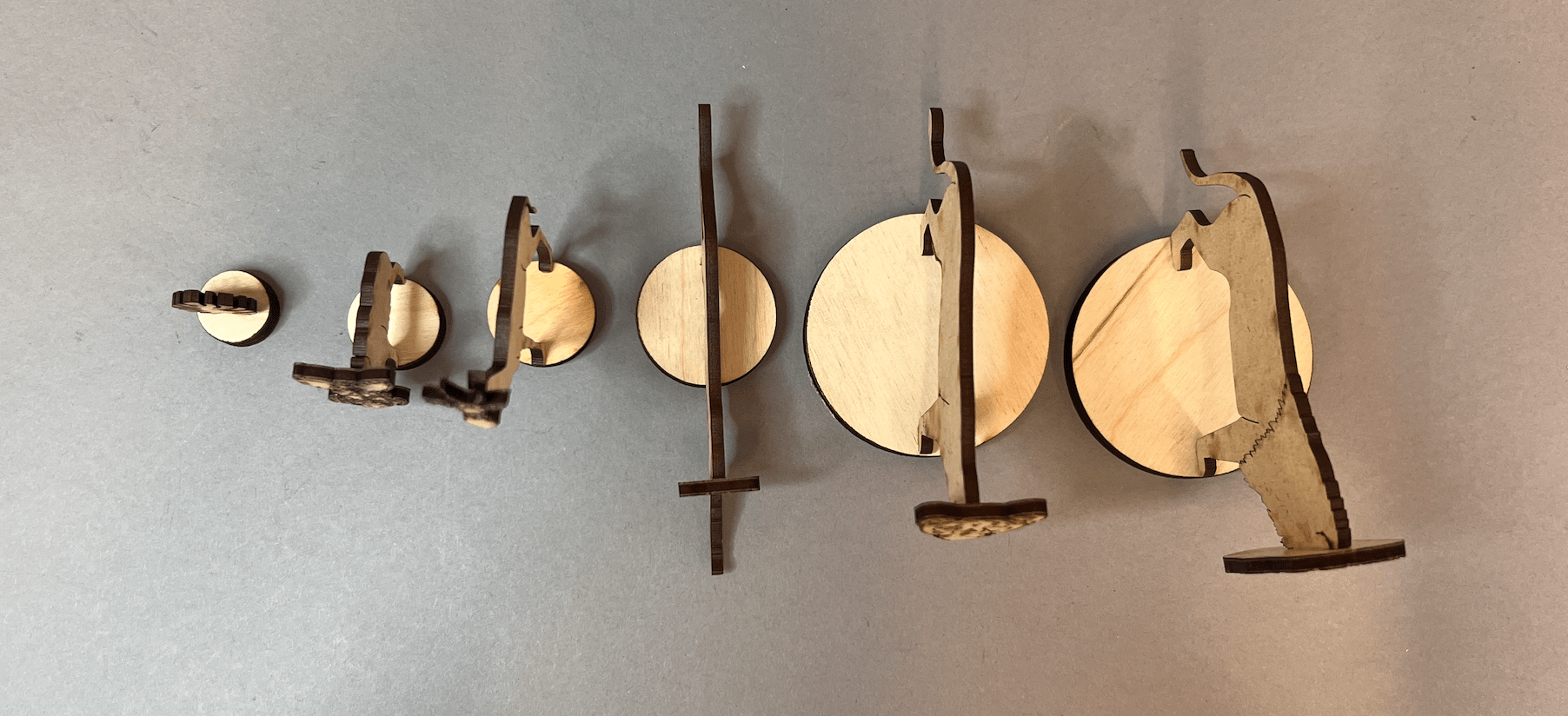
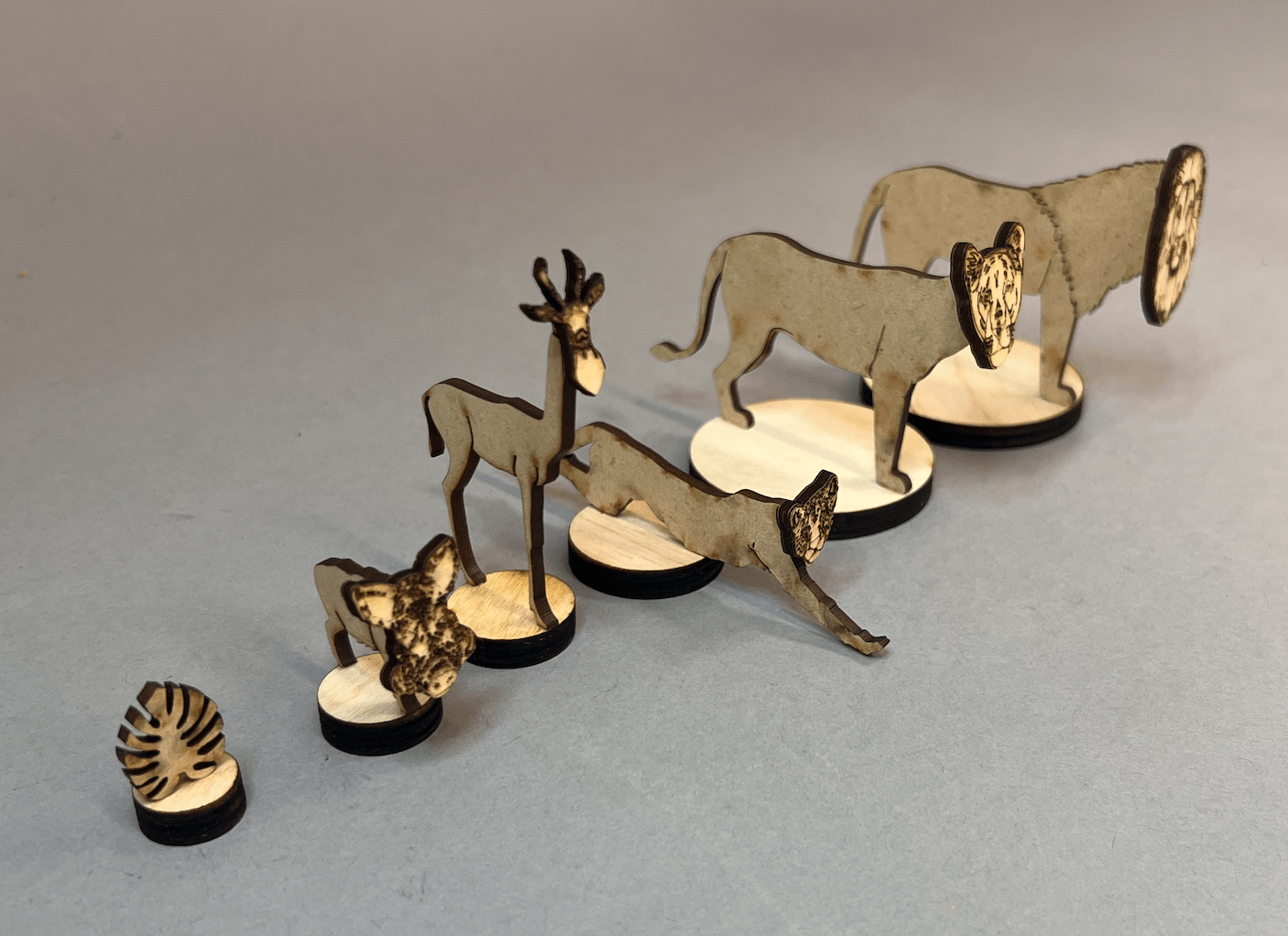
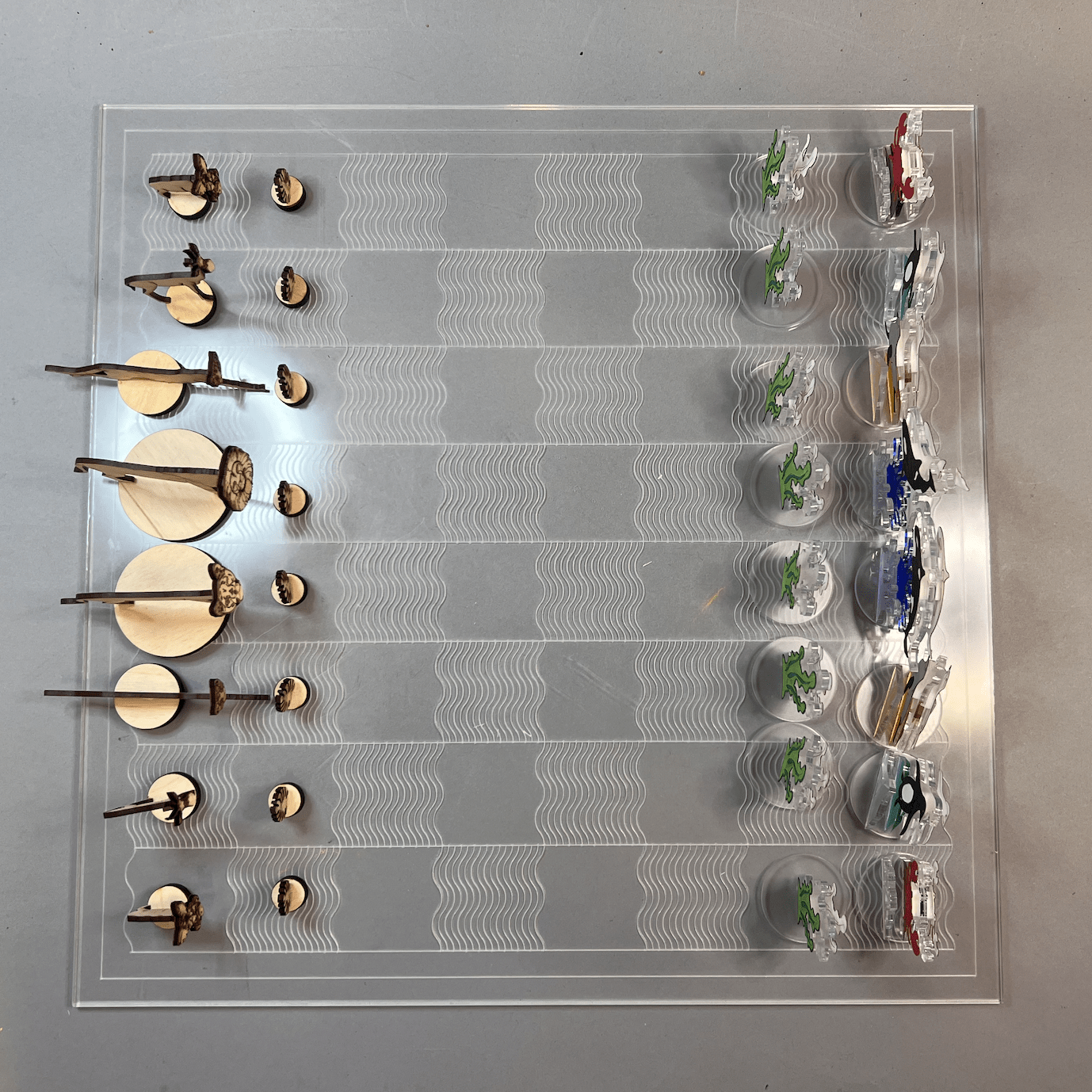
For my safari animal set, I used multiple wood materials to create my version of a 3D object. For the king and the queen, I chose the lion, male and female. The king stands out from the queen due to the mane designed around the face and it is slightly bigger. The bishop is the cheetah, the fastest animal in the safari that can blend in. My knight is the gazelle, small but mighty. While it is being preyed on by all the big animals of the land, it still has its ways of survival. The gazelle eats warthogs, therefore, my rook is the warthog. Lastly, for the pawns, I chose the bottom of the food chain, African palm leaves. The ecosystem would not live without it, even if it seems insignificant.
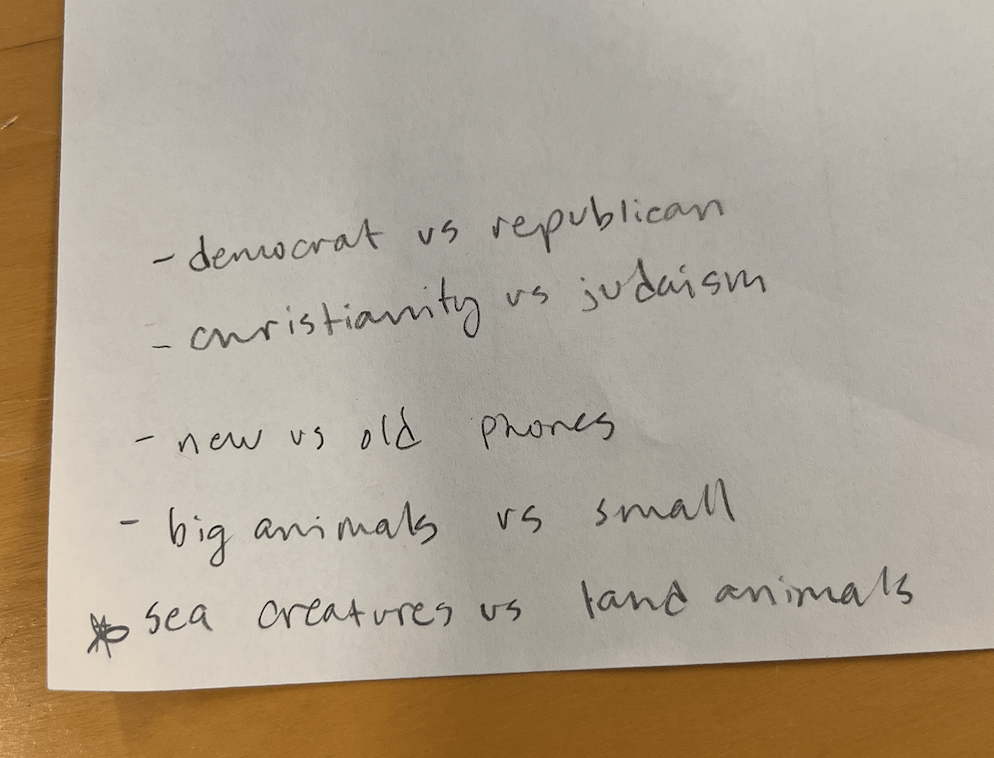
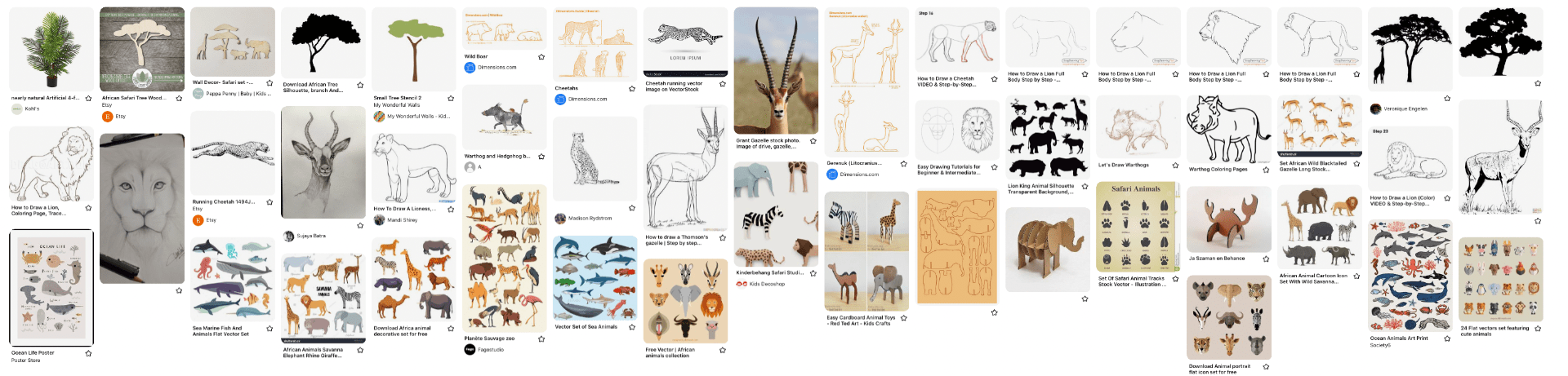
Ideation
Product
Reflection
Recreating something so classic and ancient as the game of chess, entails a lot of details and precision. Getting to learn more about the game and the power each position holds helped me understand what my tasks included. I aimed to accurately represent the safari animal food chain and the chess pieces. I wanted to include detailed sketches in my dimensional animal forms. I chose to do different wood materials because this represents the shades of the safari and worked well with the laser cutting details. After reviewing my classmates' designs, I realized I probably should have kept the base size for all of the pieces the same. My design shows the hierarchy of size with the bases to make it easier for the users to understand. I used wood glue and tacky glue to adhere the wooden pieces together, which held up for the first couple of days and then later proved that it wasn’t strong enough to hold.
Laser cutting was very helpful with time efficiency, but also had its difficulties. I used it to cut out the bases, bodies, and faces as well as engraving on the faces. The engraving was challenging because I had designed very detailed faces and they were quite small. This proved the most challenging for the warthog face, as the engraving made it hard to view.
Overall, I gained more experience with the laser cutter and how to effectively work with a partner. Also, doing the proper research to understand the game of chess was crucial to making the pieces.